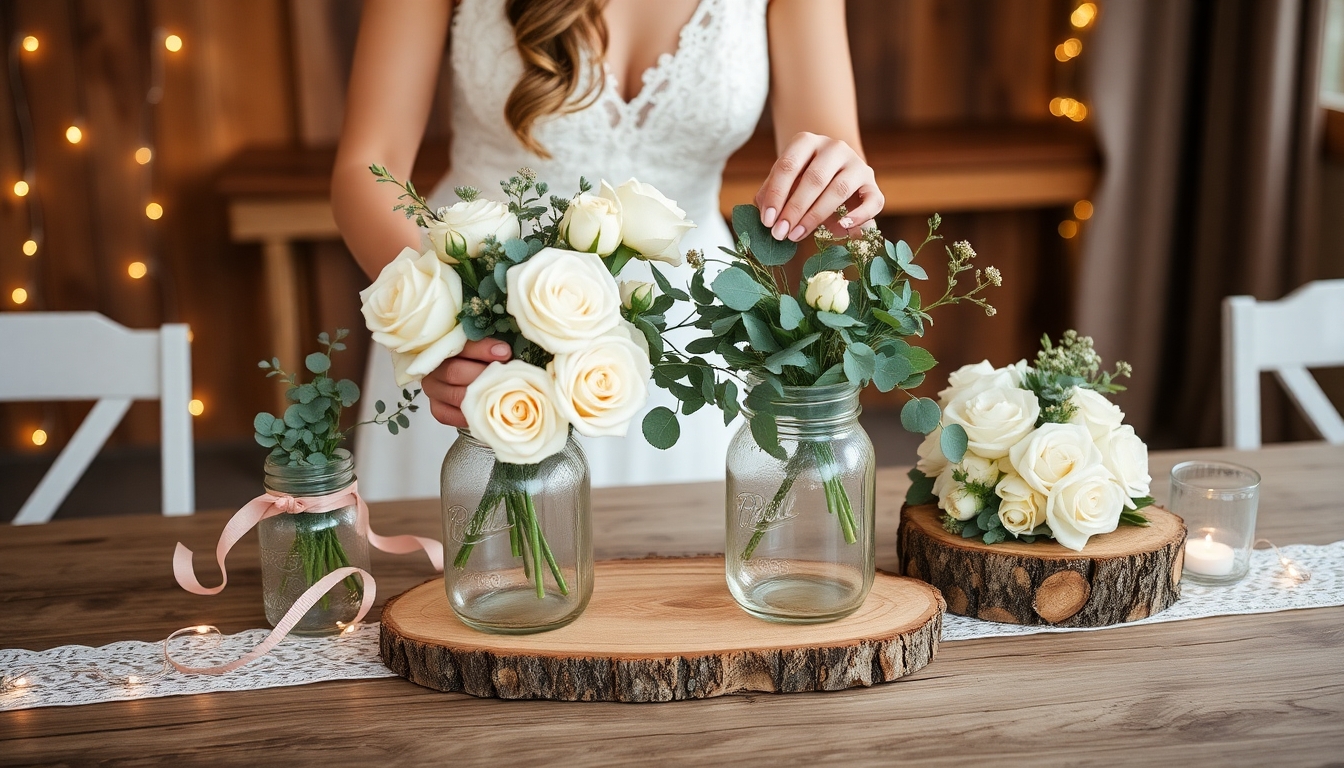
If a $33,000 wedding sounds like a down payment you’d rather spend on a house, a car, or just… not going into debt — you’re the reason micro weddings have stopped being a pandemic workaround and become a real choice. A micro wedding isn’t a watered-down version of the “real” thing. It’s the same vows, the same first dance, the same people crying in the second row — with a guest list small enough that you can actually afford to do it well.
This guide walks you through what a micro wedding actually is, what it costs, and a phase-by-phase checklist you can follow from “just engaged” to “just married.” Everything here is budget-first, because the whole point of going small is keeping more money in your pocket.
What is a micro wedding?
A micro wedding is a small, fully-fledged wedding — ceremony, reception, the works — with a guest list usually between 10 and 50 people. The number isn’t a rule; it’s a feeling. You invite only the people who’d genuinely notice if they weren’t there. That smaller count is the lever that pulls almost every cost down, which is why a micro wedding is the most reliable way to throw a beautiful day without spending a year’s salary.
The terms in this space get muddled, so here’s how a micro wedding differs from its cousins.
| Type | Guests | What it usually includes |
|---|---|---|
| Elopement | 0–2 (just the couple, maybe witnesses) | Ceremony only, often spontaneous or destination-based |
| Minimony | ~5–10 | A tiny ceremony, sometimes paired with a bigger party later |
| Micro wedding | 10–50 | Full ceremony plus reception, dinner, toasts — scaled down |
| Intimate wedding | 50–75 | A small “traditional” wedding; bigger than micro, still curated |
The short version: an elopement is just the two of you, a minimony is a tiny ceremony you might follow with a party, and an intimate wedding is a scaled-back traditional one. A micro wedding sits in the sweet spot — small enough to save real money, big enough to still feel like a proper celebration. If it’s truly just the two of you, consider eloping instead and skipping the reception math entirely.
What does a micro wedding actually cost?
The Knot’s 2024 Real Weddings Study put the average US wedding around $33,000. A micro wedding lands far below that. For most couples, a realistic all-in range is $5,000 to $15,000, with bare-bones courthouse-plus-dinner versions coming in under $3,000 and design-heavy 40-guest celebrations creeping toward $20,000.
Here’s why it’s cheaper, and it’s not magic — it’s arithmetic. Almost every wedding line item is priced per head or scaled to headcount. Cut the guest list and the savings cascade:
- Catering is the big one — at $75–$150 a plate, going from 120 guests to 30 saves $7,000–$13,000 before you’ve touched anything else.
- Venue shrinks because you no longer need a ballroom — a restaurant’s private room or a backyard works.
- Rentals (tables, chairs, linens, place settings) drop in direct proportion to the count.
- Bar costs less because fewer people drink less — and a small group makes a limited bar feel intentional, not stingy.
- Stationery — 25 invitations cost a fraction of 125, and you can hand-write them.
- Cake and florals scale down too: one tier instead of four, six centerpieces instead of fifteen.
A rough breakdown for a 30-guest micro wedding looks like this:
| Item | Typical micro-wedding range |
|---|---|
| Venue (private room or small space) | $0–$3,000 |
| Catering (30 guests) | $1,500–$4,500 |
| Photographer (half or full day) | $1,500–$3,500 |
| Attire (both partners) | $500–$2,500 |
| Flowers & decor | $300–$1,500 |
| Cake / dessert | $150–$600 |
| Officiant | $200–$600 |
| Music (DJ or playlist + speaker) | $0–$1,200 |
| Stationery & misc. | $200–$800 |
| Estimated total | $4,350–$18,200 |
Where you land inside that range depends mostly on three choices: how many people you invite, what you serve them, and whether your venue comes with tables and chairs or you rent everything. For a deeper walk through every line item, our budget tips for every price point break it down by spend level, and our Budget & Costs guides cover the categories one by one.
The micro wedding checklist, phase by phase
A small wedding still has moving parts — just fewer of them. Here’s the order to tackle things in. You can comfortably plan a micro wedding in three to six months, but if you have nine, you’ll get better vendor availability and breathing room.
9+ months out (or as early as you can)
- Set your total budget number first — before you fall in love with anything. This is the single most important step, and it’s where our free Budget Builder earns its keep.
- Draft your guest list. For a micro wedding, write down everyone, then cut to your non-negotiables. The list is the budget.
- Pick a rough date and season. Off-peak (November–March, weekdays, Sundays) unlocks the best venue and vendor discounts.
- Decide on a vibe: backyard dinner, restaurant buyout, vineyard, courthouse-plus-celebration.
- Book your venue and photographer — the two things that get booked up first, even for small dates.
6 months out
- Book catering (or confirm the restaurant’s menu and per-head price in writing).
- Line up the officiant and confirm your marriage-license requirements for your state.
- Order or buy attire — off-the-rack and sample sales are your friend here.
- Send save-the-dates if you have out-of-town guests.
- Book any extras you actually want: florist, hair and makeup, music.
3 months out
- Send invitations — or just text and call. With 30 guests, a personal message lands warmer than a printed card.
- Finalize the menu, cake, and bar plan.
- Buy or rent the small stuff: signage, place cards, a guest book, a cake stand.
- Plan the timeline for the day — even a two-hour event runs smoother with one.
- Confirm rings and start any tailoring or alterations.
1 month out
- Get your marriage license (timing rules vary by state — some expire, some have waiting periods).
- Confirm final headcount with your caterer and venue.
- Do a final walk-through or dinner at the venue.
- Set aside cash tips in labeled envelopes — here’s how much to tip each vendor so you’re not guessing at the door.
- Confirm arrival times with every vendor and your wedding party.
Week of
- Pick up attire, rings, and any rentals.
- Pack an emergency kit (safety pins, stain wipes, snacks, your vows on paper).
- Assign one trusted person to be the point of contact so you don’t field questions in your dress.
- Pre-pay or pre-tip vendors where you can, to keep the day cash-free.
- Eat, sleep, and let the small stuff go. With this few people, almost nothing can actually go wrong.
Venue ideas for a small headcount
The best part of a small guest list is that the whole world of “not a banquet hall” opens up. A space that would feel cramped or cavernous for 150 is perfect for 30. Some of the most budget-friendly options:
- Restaurant private rooms or buyouts. Often the single best value — the food, tables, chairs, staff, and bar are all built in, so you skip most rentals. Many have a food-and-beverage minimum instead of a rental fee.
- Backyards. A family backyard can be free, but budget for a tent, restroom trailer, and rentals if the guest count or weather demands it — those add up faster than people expect.
- Small event spaces and galleries. Lofts, art galleries, libraries, and historic homes rent for a few hundred to a couple thousand dollars and bring built-in character.
- Wineries, breweries, and farms. Many have intimate packages designed for under-50 groups.
- All-inclusive micro packages. A growing number of venues and hotels sell ready-made micro-wedding bundles — ceremony space, a short photography slot, a small cake, and dinner for 20–30, often for a flat $2,500–$6,000. They’re the easiest way to plan fast.
- Parks and public gardens. Beautiful and cheap, usually needing only a modest permit — just confirm the rules on chairs, alcohol, and amplified music.
Vendors you still need — and what you can skip
Going small lets you spend on what matters and quietly drop what doesn’t. Most couples still want:
- A photographer — the one thing you can’t redo. Many offer half-day or “micro” rates for smaller events.
- An officiant to make it legal (or a friend ordained online, where your state allows it).
- Food & drink — even if it’s a great restaurant rather than a caterer.
- Someone to run the day — a day-of coordinator, or a reliable friend, so you’re not managing logistics in your vows.
What you can often skip at this scale: a full-service planner, a live band (a curated playlist and a good speaker do the job for 30 people), a videographer, plated multi-course service, a huge floral install, transportation, and a formal seating chart. A short, sweet event simply needs less.
The etiquette gotcha: trimming the guest list
The hardest part of a micro wedding isn’t the budget — it’s telling people they’re not on the list. The good news: “we’re keeping it very small” is one of the most widely understood reasons in the world right now, and most people accept it gracefully.
A few rules that keep feelings intact:
- Be consistent. The cleanest line is “immediate family and a few closest friends, no plus-ones.” If you apply it evenly, no one can feel singled out. The trouble starts when the rule has exceptions.
- Tell close people personally and early. A call or a warm text — “We’re doing something tiny, just 20 people, and it’s killing us that we can’t include everyone we love. We’d still love to celebrate with you after” — lands far better than someone finding out from social media.
- Don’t over-explain or apologize on a loop. One warm, honest sentence is kinder than three paragraphs of guilt.
- Consider a casual after-party. A backyard BBQ or drinks a few weeks later lets you include the wider circle without inflating the wedding-day cost — and it’s usually a fraction of the per-head price.
- Keep the news off social media until you’ve told the people who’d be hurt to learn it there. Sequence matters more than the words.
And if you’re feeling budget pressure creep back in as the list grows, that’s your cue to hold the line. Our guide to trimming your wedding budget without sacrificing style has more ways to protect the number you set.
Frequently asked questions
How many guests is a micro wedding?
Most people define a micro wedding as 10 to 50 guests. Below about 10 you’re into minimony or elopement territory; above 50 it starts to read as an intimate or small traditional wedding. There’s no official cutoff — the spirit is “only the people who matter most.”
Is a micro wedding cheaper per head?
Per head, not always — you might actually spend more per guest, because you can afford a nicer meal and better details when you’re feeding 30 instead of 130. But the total is dramatically lower, which is the number that matters for your bank account. You’re trading volume for quality.
Can you still have a reception?
Absolutely — that’s the whole point of a micro wedding versus an elopement. You get a real reception with dinner, toasts, a first dance, and cake. It’s just a dinner-party scale instead of a banquet scale, which often makes it feel warmer and more personal, not less.
Do you need a wedding planner?
Usually not a full-service one. With 30 guests and a handful of vendors, most couples plan it themselves and hire (at most) a day-of coordinator so they can be present on the day. If your venue is all-inclusive, even that’s often covered. A good budget tool and a checklist like this one do most of the heavy lifting.
How far ahead should you plan a micro wedding?
Three to six months is comfortable for most micro weddings, and you can pull one off in as little as four to eight weeks if you’re flexible on date and venue. Booking your photographer and venue first matters most — those are the two things that fill up even for small dates.
Start with your number
A micro wedding works because every decision flows from one honest figure: what you’re willing to spend. Set that first, build the day inward from it, and you’ll never be blindsided by a total at the end. Plug your numbers into our free Budget Builder to see exactly where your money goes — and adjust the guest count to watch the total move in real time. Plan the wedding you can actually afford, with the people you’d miss most in the room.