A Jewish wedding weaves together ancient ritual, joyful celebration, and deep symbolism. From the signing of the ketubah to the unmistakable sound of a glass shattering underfoot, each custom carries meaning built up over thousands of years. Whether you're planning a Jewish wedding, marrying into the faith, or attending as a guest, this guide explains the key traditions and what they represent.
One note first: Jewish practice spans Orthodox, Conservative, Reform, and other movements, and customs vary by community and by how observant a couple is. Many modern and egalitarian couples adapt these traditions — for example, both partners circling each other rather than the bride circling the groom. The couple's rabbi and family are always the best guide to their particular ceremony.
Before the ceremony
Several meaningful customs take place before the couple stands together under the chuppah:
- The ketubah. The Jewish marriage contract, often a beautiful piece of art, outlines the groom's obligations to his bride. It's signed before the ceremony in front of witnesses and frequently displayed at the reception.
- Bedeken. The veiling of the bride. The groom places the veil over the bride's face, a moment traditionally tracing back to the biblical story of Jacob, affirming he is marrying the right person and that he loves her for more than her appearance.
- The aufruf. In many communities, the couple (traditionally the groom) is called up to the Torah on the Sabbath before the wedding and showered with blessings.
Under the chuppah
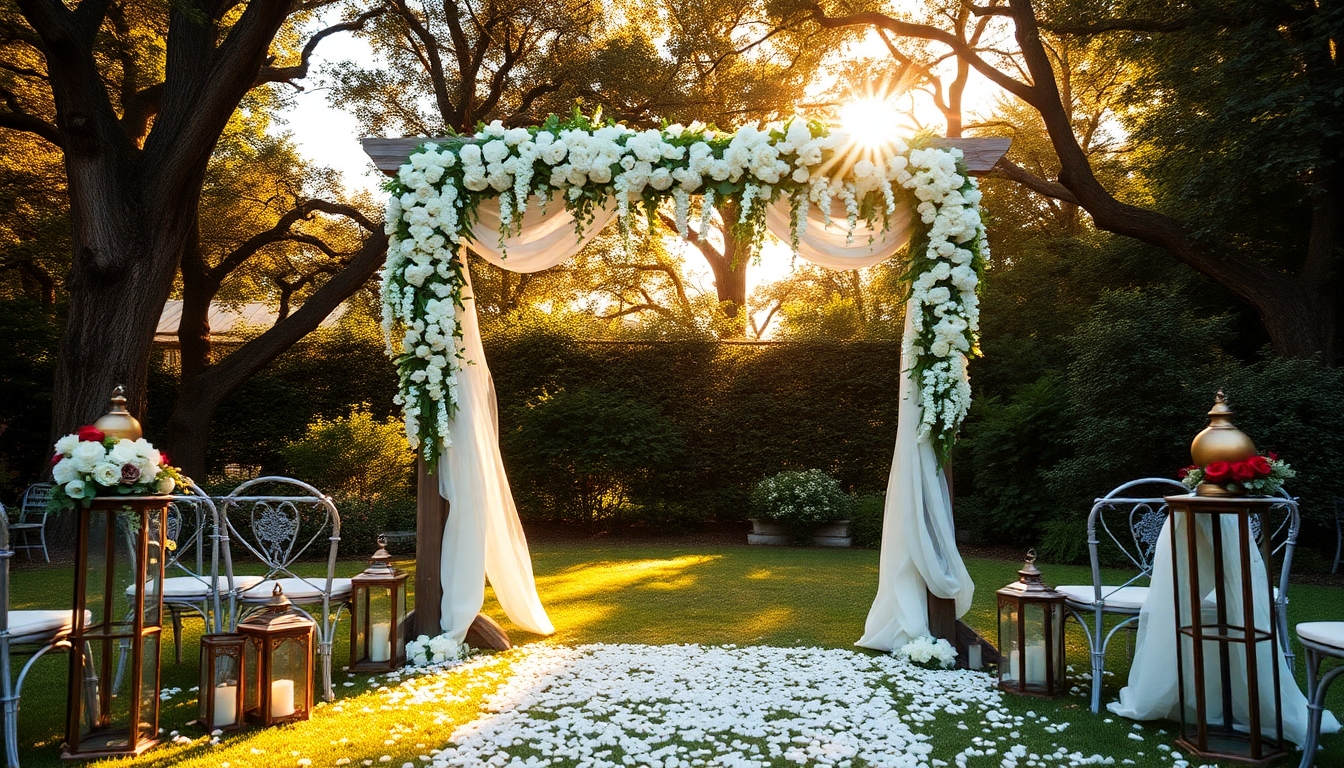
The ceremony takes place under the chuppah, a canopy open on all four sides. It symbolizes the new home the couple will build together — open, like the tent of Abraham, to family, friends, and hospitality. The key moments beneath it include:
- Circling. The bride traditionally circles the groom (often seven times), symbolically building the walls of their new home and shared world. Egalitarian couples often circle one another.
- The betrothal blessings & the ring. Blessings are recited over wine, and the groom places a plain ring on the bride's finger with a declaration of marriage. Many couples now exchange rings.
- Reading the ketubah. The marriage contract is read aloud, marking the transition between the two parts of the ceremony.
- Sheva Brachot — the seven blessings. Seven blessings are recited over a second cup of wine, celebrating creation, joy, love, and the couple's future together. Honored guests are often invited to read them.
- Breaking the glass. The ceremony ends as the groom (or both partners) breaks a glass underfoot. It's often understood as a reminder that even in moments of great joy we remember sorrow and the destruction of the Temple in Jerusalem. Guests joyfully shout "Mazel tov!"
After the ceremony: yichud and the celebration
Immediately after, the couple traditionally shares yichud — a few private minutes alone together, their first as a married couple. Then the celebration begins in earnest. The highlight for many is the hora, the exuberant circle dance in which guests lift the newlyweds aloft on chairs while everyone dances. A festive meal, music, and dancing round out the night.
What a Jewish wedding costs
A Jewish wedding's budget follows the same logic as any wedding — venue, catering, and guest count are the biggest drivers. A few faith-specific items to plan for: a ketubah (which can range from an affordable print to a commissioned original), the rabbi or officiant's honorarium, and kosher catering if required, which can affect your menu options and cost.
Timing matters too: weddings aren't held on the Sabbath or major holidays, which concentrates demand on certain days and can affect pricing. The same budgeting approach applies — set your number, prioritize what matters, and use our wedding budget calculator alongside the strategies in mastering your wedding budget.
Attending a Jewish wedding as a guest
- Dress modestly and appropriately for the venue — at more traditional ceremonies, covered shoulders and knees are expected; men may be offered a kippah to wear.
- Join the hora. The chair dance is participatory and joyful — jump in if you're able.
- Follow the family's lead on any customs, blessings, or photography, especially at observant weddings where photography may pause during certain rituals or on the Sabbath.
Frequently asked questions
What does breaking the glass mean at a Jewish wedding?
Breaking the glass is most commonly understood as a reminder that even in our happiest moments we remember sorrow and the destruction of the Temple in Jerusalem. It also marks the joyful conclusion of the ceremony — the moment guests shout "Mazel tov!"
What is a chuppah?
The chuppah is the canopy the couple stands under during the ceremony. Open on all four sides, it symbolizes the new home they will build together — one that, like the tent of Abraham, is open to family, friends, and hospitality.
What is a ketubah?
The ketubah is the Jewish marriage contract, signed before the ceremony in front of witnesses. Often created as a piece of art, it outlines the commitments of the marriage and is frequently displayed at the reception and later in the couple's home.
Why does the bride circle the groom?
The circling — traditionally seven times — symbolizes the bride building the walls of the couple's new home and shared world. Many modern and egalitarian couples adapt this so the partners circle each other.
Joy rooted in tradition
A Jewish wedding balances solemn ritual with unrestrained celebration — a contract and blessings on one hand, a glass shattered and a chair dance on the other. Whatever the movement or community, the throughline is the same: a sacred commitment, celebrated with everyone who matters.
Planning yours? Begin with our budget calculator, browse more ceremony & reception guides, or read about Hindu and Muslim wedding traditions for more cultural celebrations.