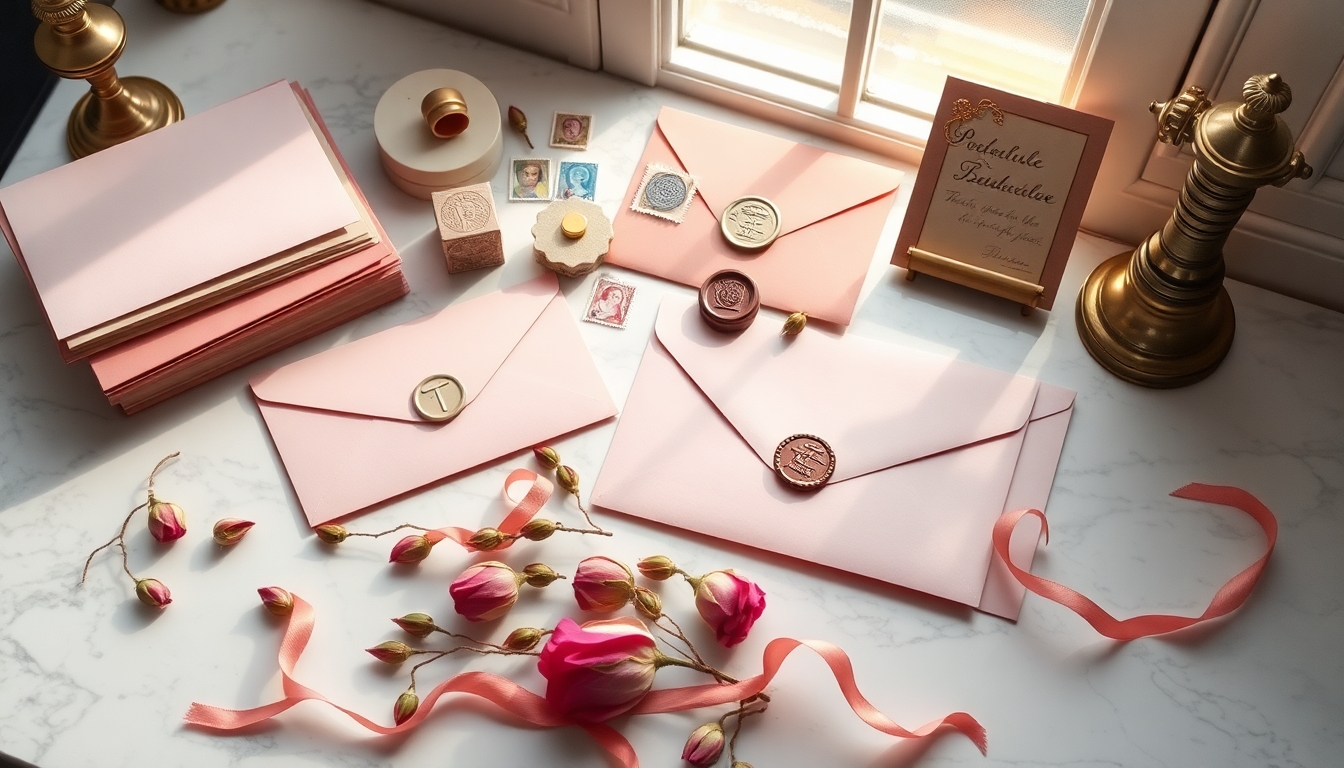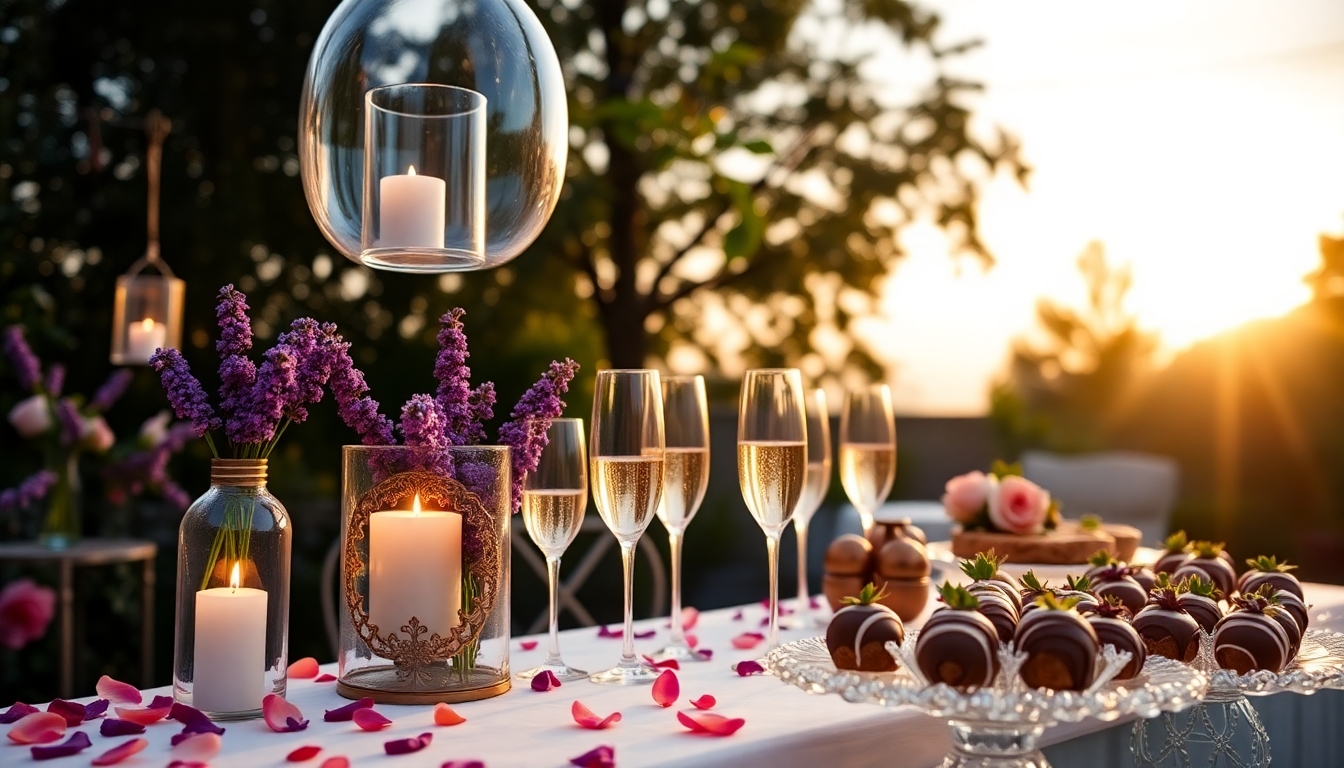
Guests rarely remember the exact centerpieces. What they remember is how a wedding felt — the warmth of the light, a scent that stopped them at the door, the first bite of a dish that tasted like home. Designing for all five senses is how you turn a pretty event into one that lodges in memory, and it doesn't require a bigger budget so much as a sharper one.
That's the key idea worth saying up front: most sensory wins come from spending money you're already spending — on flowers, music, food, lighting, linens — just more deliberately. This guide walks through each sense, the easy win and the standout move for each, and exactly which budget line it draws on so you can plan it against real numbers in the wedding budget calculator.
The five senses at a glance
A quick map before the detail — where each sense lives in your budget, and the highest-impact move for each:
| Sense | Easy win | Standout move | Budget line it draws on |
|---|---|---|---|
| Sight | Warm, layered lighting | A floral installation or focal backdrop | Florals & decor ~9% ($3,078) + rentals |
| Sound | A curated cocktail-hour playlist | Live ceremony musicians | Music ~6% ($2,052) — DJ ~$1,800 / band ~$4,500 |
| Smell | Fragrant blooms near entrances | A subtle signature scent | Florals; candles a few dollars each |
| Taste | A signature cocktail | Interactive food stations + late-night snack | Catering ~16% ($5,472, ~$80/guest), bar ~6%, cake ~2% |
| Touch | Mixed-texture linens | A furnished lounge area | Rentals (within venue & rentals ~27% / $9,234) |
Sight: light first, flowers second
Couples pour money into florals and forget that lighting is what makes a room feel like anything at all. String lights and candles for warmth, uplighting to wash a plain wall in your color, and pin-spots to make centerpieces glow — this is the cheapest way to transform a venue, and it's a rental, not a purchase. Then layer in the visual signature: a hanging floral installation over the head table, a living-greenery wall behind the ceremony, or unexpected vessels for centerpieces. Anchor it all to one palette so the eye reads the room as cohesive — our guide to choosing your wedding colors covers how to build one.
Sound: the layer people forget to design
Music is the sense most couples actively budget for — about 6% of the total, roughly $2,052, whether that's a DJ (around $1,800) or a live band (around $4,500). The trick is to design transitions, not just a reception playlist: ceremony music as guests are seated, something softer for cocktail hour, then the energy shift when the dancing starts. Live acoustic musicians at the ceremony are a standout that guests always mention. At outdoor venues, let the setting do some of the work — a fountain, wind through trees, the ocean — and keep amplified sound low enough not to fight it.
Smell: the strongest memory trigger, the smallest budget
Scent is wired directly to memory, and it costs almost nothing. Fragrant blooms — roses, jasmine, lavender, gardenia, freesia — placed where guests pause (the entrance, the bar, restrooms) do most of the work, which is one more reason to brief your florist on more than just color. A few unscented candles or a single, subtle signature scent can tie a space together, but restraint matters here: a heavy fragrance is overwhelming in a crowded room and a real problem for guests with sensitivities. Aim for a hint someone notices only when they walk in.
Taste: where the budget already lives
Food and drink are the single largest sensory channel and the largest spend — catering runs about 16% of the budget (around $5,472, roughly $80 a head), with the bar and cake on top. Make those dollars memorable: a signature cocktail named for the couple, interactive stations (a raw bar, a taco cart, a late-night slider) that get guests talking, and a late-night snack that lands exactly when energy dips. Presentation is half of taste, so work with your caterer on how dishes look, not only how they cook. For the drinks side, our guide to crafting signature cocktails goes deeper.
Touch: texture and a place to land
Touch is the most overlooked sense and the easiest to add through rentals you may already be considering. Mix linen textures — a raw-silk runner, a velvet napkin, a nubby table linen — so the tablescape rewards a closer look. Then give guests somewhere their body relaxes: a furnished lounge area with sofas, throws, and rugs is the standout touch element, doubling as a haven for guests who don't dance. Small tactile details — a textured guest book, soft blankets for a cool evening, props at a photo booth — invite people to engage with the space.
Bringing it together — and keeping it kind
A sensory wedding works when the senses point the same direction. Pick one concept and let it guide every choice, balance stimulating moments (the dance floor) with calm ones (the lounge), and weave in personal cues — the scent of a first-date restaurant, a family recipe at the table, a song that means something. Two practical guardrails: be mindful of allergies and sensitivities (label foods, go light on fragrance), and confirm your venue's rules on open flame and installations before you commit. Done with care, the result isn't sensory overload — it's a day that feels unmistakably yours.
Frequently asked questions
How do I engage all five senses without blowing the budget?
Most sensory wins reallocate spending you're already making rather than adding new costs. Lighting (a rental) transforms sight cheaply, your florals carry both sight and smell, your catering and bar carry taste, and your music budget carries sound. Touch comes from linens and a lounge area within your rentals. Prioritize one or two senses you care about most rather than maximizing all five.
Which sense do couples most often forget?
Smell and touch. Scent is the strongest memory trigger and costs almost nothing — a few fragrant blooms near entrances do the job — while touch, through mixed-texture linens and a comfortable lounge area, is easy to add and rarely planned for.
How do I handle guests with allergies or sensitivities?
Keep fragrances subtle and avoid heavily scented candles or diffusers in enclosed spaces, since strong smells overwhelm a crowded room and trigger sensitivities. Clearly label foods for common allergens, offer unscented options, and check with your venue about open flame. A light touch is both safer and more elegant than a heavy one.
What's the single highest-impact sensory upgrade?
Lighting. Warm, layered light — string lights, candles, and uplighting in your color — changes how an entire room feels for a modest rental cost, far more than any single decor purchase. Pair it with one signature scent and one signature taste and you've engaged three senses at once.
Design the feeling, not just the look. Price your florals, music, and catering in the wedding budget calculator, build a palette with choosing your wedding colors, plan the drinks with signature cocktails, or browse the full ceremony & reception guide.