Your wedding colors are the thread that ties everything together — invitations, flowers, attire, linens, lighting, the cake — and they quietly steer how the day feels. Pick well and the whole celebration reads as intentional; pick at random and even beautiful elements fight each other. The good news is that choosing a palette isn't guesswork: a little color psychology, a sense of your season and venue, and one simple ratio will get you there.
This guide covers what colors signal emotionally, how to build a balanced palette with the 60-30-10 rule, season-by-season schemes, and how to carry the palette across every element — with an honest note on where color touches your budget. Several of those elements (florals at ~9%, stationery at ~1.5%) are real line items, so it's worth seeing how they fit the whole picture in the wedding budget calculator.
Color psychology: what each hue signals
Colors carry emotional associations, and leaning into them helps you set the mood you actually want. Use this as a starting reference — what each color tends to evoke, what it pairs with cleanly, and the season it leans toward:
| Color | Feeling it sets | Pairs well with | Leans seasonal |
|---|---|---|---|
| Red | Passion, drama, energy | Gold, cream, deep green | Fall / winter |
| Blush / pink | Soft, romantic | Navy, gold, sage, gray | Spring |
| Blue | Calm, trust, classic | White, blush, silver | Summer (coastal) / winter (ice) |
| Green (sage to emerald) | Natural, fresh, balanced | Cream, gold, terracotta | Spring / fall |
| Purple (lavender to plum) | Luxury, creativity, romance | Silver, gold, ivory | Spring (lavender) / winter (plum) |
| Yellow / gold | Joy, warmth, optimism | Navy, gray, green | Summer / fall (mustard) |
| Orange / terracotta | Warm, earthy, adventurous | Sage, navy, cream | Fall |
| Neutrals (white, ivory, gray, champagne) | Timeless, elegant base | Almost anything | Any season |
Start from the feeling: decide whether you want guests to walk in to something serene, romantic, dramatic, or warm, then choose colors that point that direction. A blue-and-white scheme reads serene and coastal; burgundy and gold reads rich and celebratory.
The 60-30-10 rule
The simplest way to keep a palette balanced is the designer's 60-30-10 ratio:
- 60% dominant color — the base you see most (linens, bridesmaids, large decor)
- 30% secondary color — support and contrast (florals, ties, signage)
- 10% accent — a metallic or pop that draws the eye (tableware, details)
A classic navy-and-blush wedding might run navy at 60% (linens, bridesmaids' dresses), blush at 30% (florals, groomsmen's ties), and gold at 10% (chargers, candle holders). The structure works with any colors — it's the ratio, not the hues, that keeps things from looking busy.
Seasonal color palettes
Aligning your colors with the season makes the day feel timely and, conveniently, cheaper — in-season flowers in your palette cost less and look fresher. A starting point for each season:
- Spring — soft pastels: blush pink, mint or sage green, lavender, peach, cream
- Summer — bright or cool: coral, turquoise, sunflower yellow, or crisp navy and white for a coastal feel
- Fall — rich and warm: burgundy, forest green, gold, terracotta, mustard, navy
- Winter — cool or jewel: silver, ice blue, white, or deep emerald, plum, and champagne
A fall palette of burgundy, forest green, and gold mirrors the turning leaves; a winter one of emerald, plum, and champagne feels rich and warm against the cold. Coordinating your blooms with the palette is easier when you know what's in season — our guide to the language of flowers covers seasonal availability and meaning together.
Match the palette to your venue and the mood
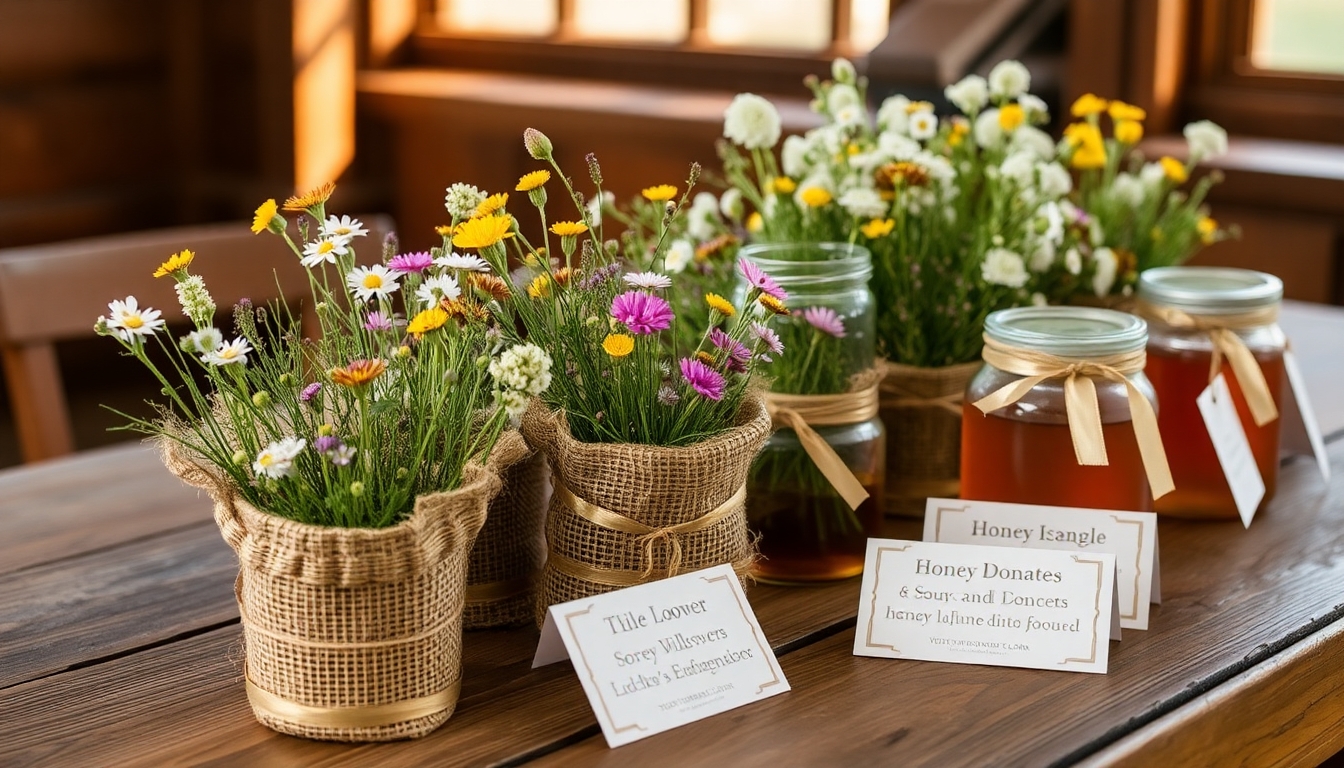
Your venue already has colors — wall tones, carpet, wood, the landscape outside — and the smart move is to complement them rather than fight them. A barn suits rustic sage, warm neutrals, and a pop of coral or sunflower; a blank modern loft can take a bolder, high-contrast scheme. Lighting matters too: warm uplighting shifts how every color reads after dark, so test in evening light, not just daylight. It helps to name the mood you're after and let the palette follow:
- Romantic and intimate — soft pinks, lavender, candlelight
- Modern and chic — black, white, and metallic accents
- Rustic and warm — earth tones, deep reds, natural wood
- Beachy and relaxed — shades of blue, sand, coral
Designing for the whole atmosphere — not just the look — is the heart of a sensory-rich celebration.
Balancing bold and neutral
The most sophisticated palettes anchor a bold color with neutrals so the statement shade has room to breathe. A few combinations that consistently work:
- Emerald green with cream and gold accents
- Navy blue with blush pink and silver details
- Burgundy with sage green and ivory highlights
Use the bold color sparingly — in the bridal bouquet, a few statement chairs, the cake — to create focal points without overwhelming the room. Neutrals do the heavy lifting; the bold color is the punctuation.
Carry the palette across every element
Cohesion comes from applying your colors consistently. Map the palette onto each element rather than deciding color piecemeal:
- Stationery — save-the-dates, invitations, programs, menus, place cards (colored envelopes, wax seals, and ribbon are easy wins); see crafting your invitations
- Attire — bridesmaids in the secondary color, groomsmen's ties or pocket squares for accent, even a blush or champagne gown if you're bold
- Florals and decor — the richest opportunity to express the palette in texture and tone
- Table settings, linens, and lighting — where the 60-30-10 ratio reads most clearly
- Cake, favors, and lounge areas — the finishing details that tie the room together
Test before you commit — and personalize
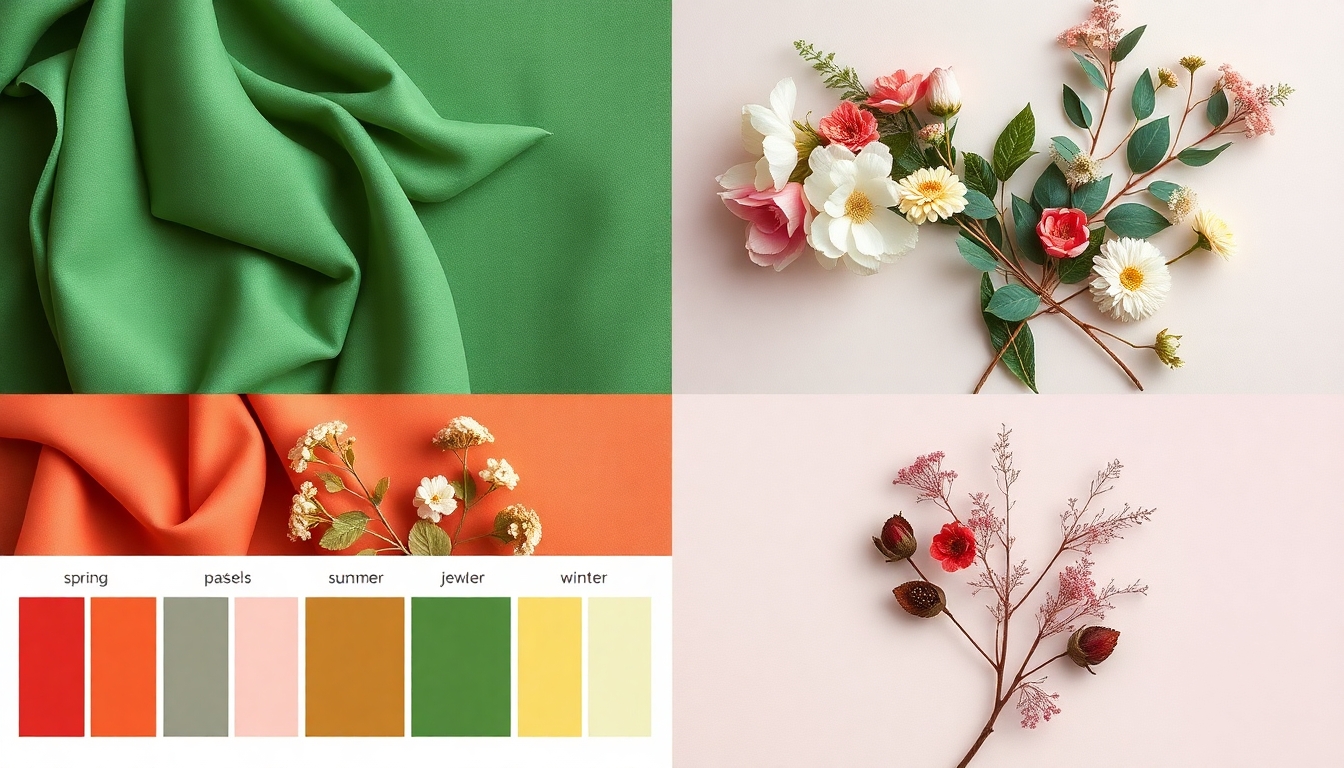
Before finalizing, build a mood board with fabric swatches, paint chips, and inspiration images, and view your colors in different light (daylight, evening, indoor, outdoor) to catch clashes early. Keep your photographer in mind too: pastels and richly saturated tones generally photograph beautifully, while neons and very washed-out shades can be tricky and high-contrast pairings read striking. And don't be afraid to make it personal — colors from a place you love (a Tuscan palette of terracotta, olive, and warm yellow if you met in Italy), a family or cultural tradition, or a shade that simply means something to you both will always beat a trend.
Frequently asked questions
How do I choose a wedding color palette?
Start from the mood you want, then pick one or two main colors, one or two accents, and a metallic or neutral, anchoring the choice to your season and venue. Apply the 60-30-10 rule (60% dominant, 30% secondary, 10% accent) to keep it balanced, build a mood board, and test the colors in both daylight and evening light before committing.
What is the 60-30-10 rule for wedding colors?
It's a balance guide borrowed from interior design: 60% a dominant color seen most across linens and large decor, 30% a secondary color for support and contrast in florals and attire, and 10% an accent or metallic that draws the eye in details and tableware. The ratio keeps a palette cohesive rather than busy, whatever colors you choose.
What wedding colors work best for each season?
Spring suits soft pastels like blush, sage, and lavender; summer takes either bright tones (coral, turquoise, sunflower) or cool coastal navy and white; fall leans into rich, warm jewel and earth tones like burgundy, forest green, gold, and terracotta; and winter favors icy blue, silver, and white or deep emerald, plum, and champagne. In-season choices also tend to cost less.
Do wedding colors affect the budget?
The palette itself is free, but it drives spending on colored elements — florals (about 9% of a budget, roughly $3,078), stationery (about 1.5%, roughly $513), attire, linens, and decor. Choosing in-season flowers within your palette is the simplest way to keep those costs down, since seasonal blooms are cheaper and fresher than imported ones.
Which colors photograph best at a wedding?
Pastels and richly saturated tones generally photograph beautifully, and high-contrast combinations read striking in images. Very pale, washed-out shades can disappear and intense neons can distort skin tones, so test your palette in the lighting conditions of your venue and check with your photographer if you're unsure.
Set the tone for the whole day. Price the colored elements in the wedding budget calculator, coordinate your blooms with the language of flowers, carry the palette into your wedding invitations, or browse the full style & inspiration guide.