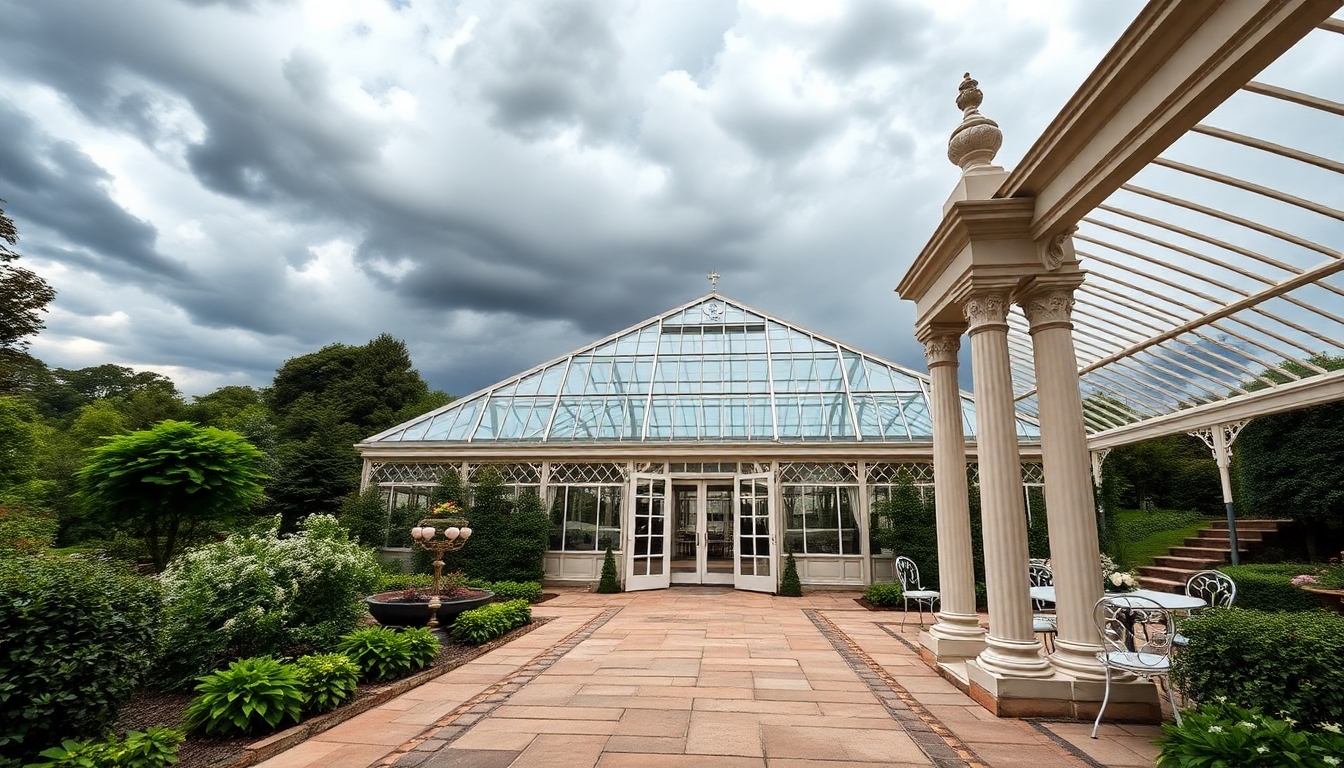
An outdoor wedding gives you a backdrop no ballroom can match — but it hands the weather a vote in your day. A rain plan isn't pessimism; it's the single thing that lets you stop refreshing the forecast and actually enjoy getting married. Couples who plan for bad weather almost never need the full plan, and the ones who don't are the ones scrambling for tents 48 hours out at triple the price.
This guide covers the three kinds of backup plan, what a tented contingency really costs, how to write weather into your venue and vendor contracts, and exactly when to make the call. When you're ready to price it against everything else, the free wedding budget calculator folds a contingency line into your plan in a couple of minutes.
Why every outdoor wedding needs a rain plan
A backup plan is not admitting defeat — it's the move that protects the money you've already committed. By the time the forecast turns, you've paid deposits on a venue, a caterer, florals, and a photographer, and most of those deposits are non-refundable. A solid plan keeps all of it usable in any weather.
It also signals consideration for your guests. Nobody remembers a wedding fondly while standing in a downpour in their good shoes. A clear plan keeps them dry, comfortable, and relaxed — which is what they'll actually remember. And it lowers your own stress: when the decision tree is already drawn, a 40% chance of rain stops being a crisis and becomes a checkbox.
The three kinds of backup plan
Almost every weather contingency is one of three approaches. Pick the one your venue and budget support before you fall in love with an open field that has no plan B.
| Backup type | How it works | Typical added cost | Best for |
|---|---|---|---|
| On-site indoor space | The venue has a barn, hall, or covered pavilion you move into | $0–$1,000 (often already included) | Anyone who can choose the venue around it — the cheapest, calmest option |
| Tent on-site | You rent a tent that stays up regardless, or on standby | $1,500–$8,000+ | Beautiful open-air sites with no indoor option |
| Alternate venue | A second, fully separate location on standby | A second deposit + logistics | Rarely worth it — usually a last resort |
The cheapest and least stressful plan, by a wide margin, is to book a venue that already has a weatherproof option built in. Everything below assumes you can't do that and need to rent your way to dry.
What a tented backup plan actually costs
A tent is the most common standalone rain plan, and the costs add up faster than couples expect because a tent is rarely just a tent. Here are the grounded ranges to budget against — expect the higher end in high-cost metros and peak season:
| Item | Typical cost | Notes |
|---|---|---|
| Tent rental (50–100 guests) | $1,500–$4,000 | Frame or pole tent; size to seated guests + dancefloor |
| Large or clear-top tent (150+) | $5,000–$12,000+ | Clear-top "sailcloth" tents carry a big premium |
| Flooring / subfloor | $1–$6 per sq ft | Essential on grass that may turn to mud |
| Sidewalls | $1–$3 per linear ft | Clear or solid — what actually keeps rain out |
| Heaters or fans | $50–$200 each | Patio heaters for cold; fans/portable AC for heat |
| Lighting | $200–$1,000+ | String lights, chandeliers, or uplighting under canvas |
| Generator | $150–$600 | Needed if the site has no power for the above |
A realistic all-in tented plan for a mid-size wedding lands around $3,000–$8,000 once flooring, walls, and climate control are included. That sits inside the venue & rentals share of your budget — the largest line at roughly 27% of the total, about $9,200 of an average $34,200 wedding. See what wedding rentals cost and what venues cost for fuller breakdowns, and decide early whether a tent is your plan A (always up) or plan B (on standby), because standby tents often cost nearly the same and may not be available last-minute.
Choosing a venue with weather built in
The best rain plan is chosen, not improvised. When you tour candidate venues, treat weather as a first-class question:
- Does the site have an indoor or covered space that comfortably fits your full guest list seated?
- How quickly can staff flip the space — and who does it, you or them?
- What's their written weather policy, and how many outdoor events have they actually moved indoors?
- If a tent is needed, do they have a preferred vendor, a pad or deck for it, and power on site?
A venue that answers these crisply has done it before. One that shrugs is telling you the contingency will fall entirely on you. If meaning and setting matter to you, our guide to choosing a ceremony location with meaning pairs well with this checklist.
Timing, season, and reading the forecast
You can stack the odds in your favor long before the week of:
- Research historical patterns, not just the 10-day forecast. Many regions have a reliably drier month; a date moved by a few weeks can cut your rain risk meaningfully.
- Plan around the daily rhythm. Afternoon thunderstorms are common in summer — a late-morning or sunset ceremony can dodge the typical window.
- Watch the real forecast from 5–7 days out across two or three sources, and don't over-react to a single app at day 9.
Your rain-plan checklist
Whatever route you choose, these are the elements a complete plan covers:
- A covered area large enough for all guests, seated — not just standing room
- Solid flooring so a wet lawn doesn't become a mud pit
- A stash of plain umbrellas (clear ones double as photo props) and a few towels and blankets
- Alternate indoor or covered photo locations scouted in advance
- Lighting for a darker, overcast day
- Heaters or fans matched to the season
- A written timeline for the flip, with who does what
Keeping guests comfortable in any weather
Comfort is the difference between guests who tough it out and guests who have a great time. Match amenities to what the day might throw at them:
- Sunscreen and bug spray baskets for sun and dusk
- Fans or shade for heat; blankets, shawls, or hand warmers for cold
- Covered or shuttled parking so no one arrives soaked
- A coat or umbrella check near the entrance
Protecting your money: contracts and event insurance
Two documents decide who absorbs the cost if weather forces a change: your vendor contracts and a wedding insurance policy.
Read every vendor contract for its weather and postponement clause — what happens to your deposit if you move the date, relocate, or cancel. Then consider wedding insurance, which typically runs about $150–$600 for a policy combining liability with cancellation/postponement cover. A good policy can reimburse non-refundable deposits if severe weather makes the event impossible. Confirm exactly which scenarios are covered (rain alone usually isn't — named storms and venue closures often are) before you rely on it.
Briefing your vendors
Your plan only works if the people executing it know it. Walk each key vendor through the contingency:
- Caterer: can service adapt to a tent or indoor layout without a hot-kitchen problem?
- DJ or band: can equipment relocate quickly and stay dry? Power under a tent?
- Florist: which arrangements hold up to wind, heat, or damp — and which don't?
- Photographer: agree on covered photo spots and a low-light approach in advance.
Making the call: when to pull the trigger
Decide ahead of time who owns the decision and when it's made — usually your planner or a designated point person, on a deadline of 24–48 hours out (tents and rentals often need that lead time to set up). Set the rule in advance so you're not debating it on the morning of. When in doubt, err toward the dry option: guests forgive an unnecessary tent far more easily than a soaked ceremony.
Embrace it: rain can be the best photos you get
Here's the part couples don't expect: a little rain often produces the most striking images of the day. Clear umbrellas, a dramatic sky, and the coziness of a candlelit tent are gifts to a good photographer — which is one more reason to hire one who shoots well in low light (see our guide to documentary-style photography). Your attitude sets the room: stay loose about the weather and your guests will too.
Frequently asked questions
How much does a wedding rain plan cost?
If your venue has an indoor backup, often nothing extra. A standalone tented plan for a mid-size wedding typically runs $3,000–$8,000 once you add flooring, sidewalls, lighting, and heaters or fans — it sits inside the venue and rentals share of your budget (about 27% of the total).
When should I decide whether to use my rain plan?
Set a decision deadline of 24–48 hours before the wedding, because tents and rentals usually need that much lead time to set up. Name one person to make the call, watch two or three reliable forecasts, and err toward the dry option when it's close.
Do I need a tent if my venue has an indoor option?
Usually not. A built-in indoor or covered space is the cheapest and least stressful backup, which is why choosing a venue with one is the smartest move you can make. Reserve a tent for beautiful open-air sites that have no indoor alternative.
Does wedding insurance cover rain?
Rain by itself usually isn't covered, but cancellation or postponement caused by severe or named weather often is. A policy runs roughly $150–$600 and can reimburse non-refundable deposits. Read the covered scenarios carefully before relying on it.
How far in advance should I book a backup tent?
Reserve well ahead — popular dates and peak season sell out, and last-minute tent rentals cost far more if they're available at all. Decide early whether the tent is always up (plan A) or on standby (plan B), and confirm the rental company's cutoff for a standby hold.
A rain plan is one of the highest-return hours you'll spend planning. Price your contingency line in the wedding budget calculator, get grounded numbers from our rentals and venue cost guides, and see where it fits in the bigger picture in mastering your wedding budget or the full ceremony & reception guide.