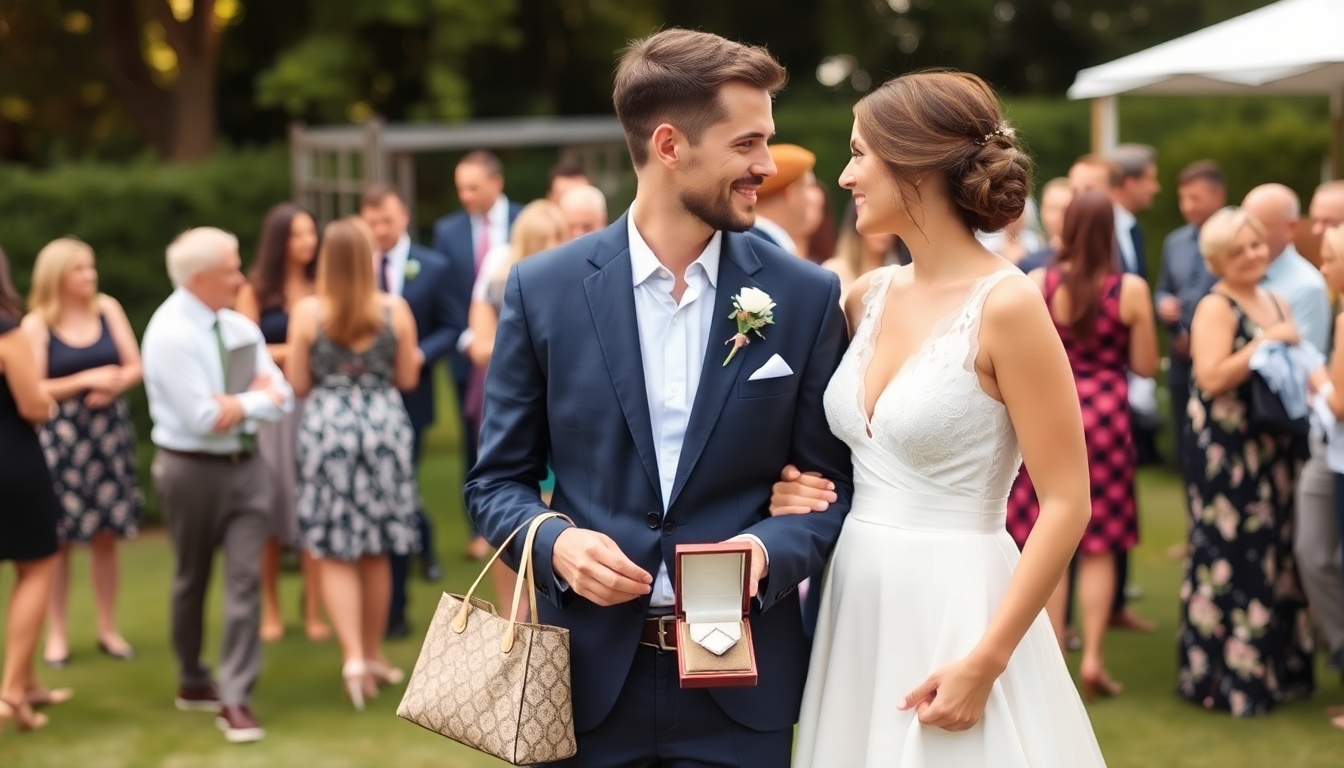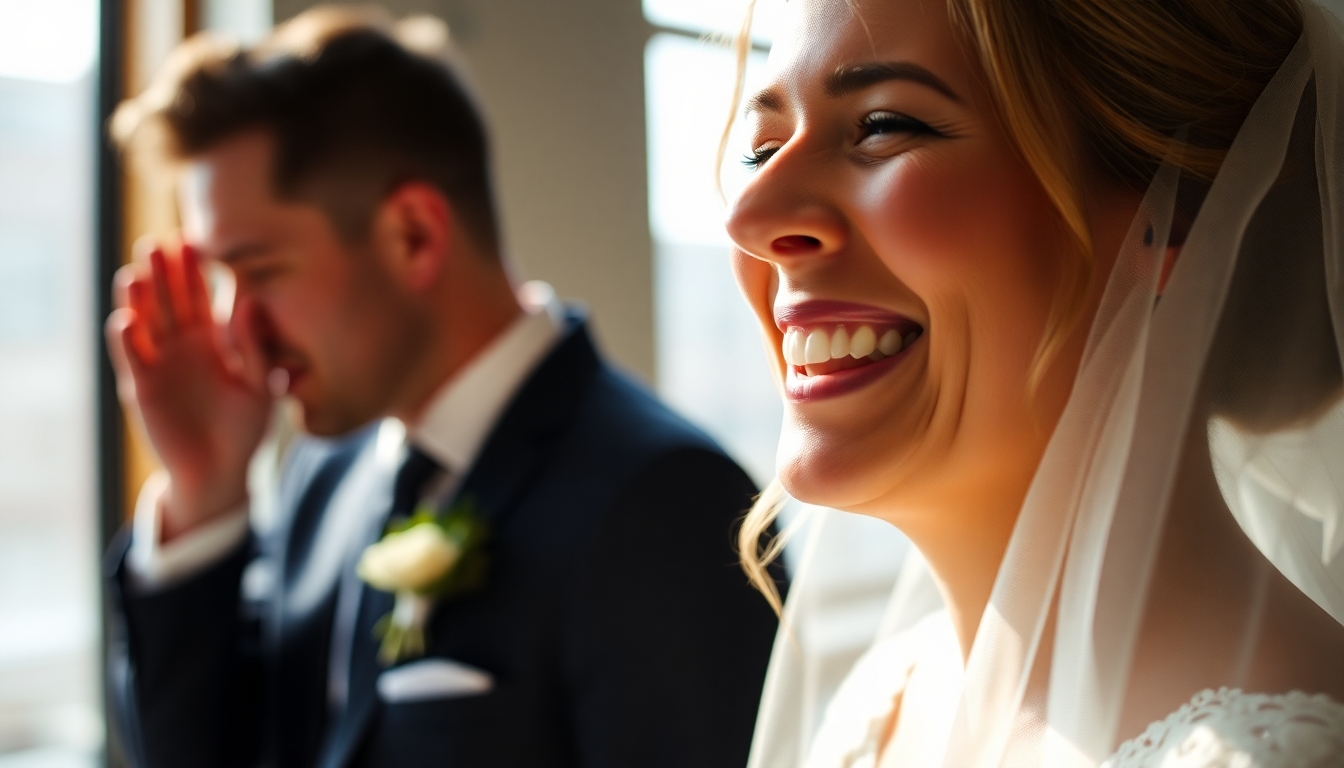
Documentary-style wedding photography captures your day as it actually happens — the laugh during the vows, the tear your dad tries to hide, the dancefloor at midnight — rather than lining everyone up to pose. Also called photojournalistic or candid photography, it has become the most-requested style of the last decade because the images feel like memories instead of portraits.
This guide explains how documentary style differs from the alternatives, what it costs, how to find a photographer who genuinely shoots it well, and how to prepare so your day is captured the way you want. Photography is one of the few wedding purchases you keep forever — it's worth getting right. (When you're budgeting, it's typically about 8% of the total, roughly $2,740 of an average $34,200 wedding; see what wedding photographers cost for the full picture.)
What documentary-style photography actually means
Documentary photography focuses on capturing genuine moments as they unfold, with minimal direction. Its hallmarks:
- Few posed shots — the photographer follows the day rather than staging it
- Natural light wherever possible
- Storytelling: the gallery reads like a narrative from morning prep to last dance
- Raw emotion and spontaneous interaction over perfect smiles
It demands a particular kind of photographer — observant, fast, and unobtrusive enough to disappear into the background so the moments stay real. That skill set is different from a studio portrait photographer's, which is exactly why style fit matters more than a pretty highlight reel.
Photography styles compared
Most photographers blend styles, but they usually lean toward one. Knowing the vocabulary helps you read portfolios and ask sharper questions:
| Style | What it's like | Best for couples who… |
|---|---|---|
| Documentary / photojournalistic | Candid, unposed, story-driven; photographer observes | Want authentic emotion and hate posing |
| Traditional / classic | Posed portraits, formal family groupings, directed | Want guaranteed, timeless album shots |
| Fine-art | Stylized, painterly, carefully composed and lit | Want editorial, magazine-look images |
| Editorial / fashion | Dramatic posing and lighting, model-style direction | Love a high-glam, styled aesthetic |
| Dark & moody / light & airy | Editing color palettes, not shooting styles — can pair with any of the above | Have a clear color/mood preference |
The best results usually come from a photographer whose natural style already matches what you want — not one you're trying to push in a new direction on the most chaotic day of their year.
Why couples choose documentary style
- Authentic memories. Candid frames capture the day's true feel, not a rehearsed version of it.
- A relaxed day. Less time herded into poses means more time actually attending your own wedding.
- Comprehensive coverage. A photojournalistic eye catches the small moments — a grandmother's reaction, kids under the table — that posed coverage misses.
- Images that age well. Genuine emotion doesn't go out of style the way a trendy pose can.
What documentary coverage costs
Documentary style isn't priced differently from other styles — what drives cost is the photographer's experience, hours of coverage, a second shooter, and deliverables like albums. In most US markets a wedding photographer runs roughly $2,500–$5,000, with experienced documentary specialists often at the upper end because the skill is hard-won. That lands near photography's ~8% share of a typical budget. Many couples pair it with videography (about 4% of the budget) so the day is preserved in motion too. Run your own numbers in the wedding budget calculator.
How to find the right documentary photographer
Portfolios are marketing — dig past them:
- Ask to see two or three full galleries, not just highlights. Documentary skill shows in the boring 20 minutes between big moments, which highlight reels hide.
- Check consistency across weddings, including ones in tricky light (a dim church, a sunset reception).
- Look for storytelling, not just pretty single frames — does the gallery flow like a day?
- Confirm how they balance candid and posed so you still get the family groupings you'll want.
- Meet them. They'll be inches from your most intimate moments — chemistry is part of the job.
Questions worth asking
- How do you stay unobtrusive during the ceremony and intimate moments?
- What's your approach if the light is bad or it rains?
- Do you include a second shooter, and how many images do we receive?
- How long until we get our gallery, and do we get full editing rights?
That last point on weather matters more than couples expect — an overcast or rainy day can produce gorgeous images in the right hands, which is one reason a solid rain plan and a low-light-capable photographer go together.
Preparing for a documentary-style shoot
Candid doesn't mean unplanned. To get the most from the style:
- Share a loose timeline so your photographer knows when key moments land.
- Consider a "first look" for relaxed, intimate frames before the ceremony.
- Give a short must-have list (the family combinations, the heirloom detail) — then trust them for the rest.
- Tell guests the style so they act naturally instead of mugging for the camera.
- Plan a few minutes at golden hour for naturally lit couple portraits.
Balancing candid and posed
Even a documentary gallery needs a handful of deliberate shots. Block a short window for family portraits and a couple's session, agree on "directed candids" (semi-posed frames that still look natural), and you'll come away with both the storytelling images and the framed-on-the-wall classics.
Making the most of your photos afterward
Your gallery is the raw material; what you do with it is the payoff:
- Build a chronological wedding album that tells the day's story start to finish.
- Print and frame the unexpected, emotional frames — not just the posed ones.
- Use candid shots in your thank-you cards to personalize your gratitude.
- Order prints sooner rather than later; digital files quietly get forgotten in a drive folder.
How the style keeps evolving
Documentary coverage is being shaped by better low-light cameras (more natural indoor frames without harsh flash), drones for the occasional aerial, and tighter photo-plus-video pairings. The throughline is unchanged: the goal is still to capture real moments honestly. Treat new tech as a tool a good photographer uses sparingly, not a reason to pick one photographer over another.
Frequently asked questions
What is documentary-style wedding photography?
It's a candid, photojournalistic approach that captures the day as it naturally unfolds with minimal posing. The photographer observes and reacts rather than directing, producing a gallery that reads like a story of real moments and emotions rather than a set of formal portraits.
How much does a wedding photographer cost?
In most US markets, roughly $2,500 to $5,000, depending on experience, hours of coverage, whether there's a second shooter, and deliverables like albums. That's about 8 percent of an average $34,200 wedding. Documentary specialists often sit at the upper end because the skill is hard to do well.
Is documentary style better than traditional posed photography?
Neither is better — they suit different couples. Documentary captures authentic emotion and a relaxed day; traditional guarantees timeless, deliberately composed album shots. Most photographers blend the two, so the real question is which they lean toward and whether that matches what you want.
How do I make sure I still get family portraits?
Give your photographer a short must-have list of family groupings and block a brief window (often right after the ceremony) for them. A skilled documentary photographer folds these directed shots in without losing the candid feel of the rest of the day.
How many photos will I get and when?
Ask before booking, since it varies widely. Many photographers deliver several hundred edited images within four to eight weeks. Confirm the count, the turnaround, whether a second shooter is included, and your rights to print and share the files.
Photography is one of the few things you keep from the whole day, so choose the style and the person with care. Price it in the wedding budget calculator, compare it against videography, and plan what to do with the results in our guide to building your wedding album or the full style & inspiration guide.