Every flower in your wedding can carry a meaning — a quiet message folded into the bouquet and the centerpieces that only you and your partner need to know is there. The practice is called floriography, the Victorian "language of flowers," and it turns floral decor from pretty filler into something personal.
This guide gives you a working reference: what popular wedding flowers mean, which blooms to use for love, luck, and new beginnings, a few to think twice about, and how to brief your florist so the symbolism actually makes it into the arrangements. Flowers are a meaningful slice of the budget — about 9% of the total, roughly $3,080 of an average $34,200 wedding — so it's worth spending that money on blooms that mean something. See what a wedding florist costs for the full breakdown.
A brief history of floriography
Assigning meaning to flowers is ancient — cultures worldwide have done it for millennia — but it peaked in Victorian England, when strict social codes left little room for open expression. A carefully composed bouquet became a way to say what couldn't be spoken aloud, and published dictionaries of flower meanings let people read and write these floral messages. That tradition still shapes the symbolism couples reach for today.
Popular wedding flowers and their meanings
Use this as a reference when you're building your palette. Meanings draw on the traditional Victorian language of flowers; color often changes the message, so it's noted where it matters:
| Flower | Traditional meaning | Peak season |
|---|---|---|
| Rose (red) | Love, passion | Year-round |
| Rose (white) | Innocence, new beginnings | Year-round |
| Rose (pink) | Joy, gratitude, admiration | Year-round |
| Peony | Happy marriage, prosperity, good fortune | Late spring / early summer |
| Lily (white) | Purity, refined beauty, devotion | Summer |
| Orchid | Love, luxury, refined beauty | Year-round |
| Hydrangea | Gratitude, heartfelt emotion, harmony | Summer / early fall |
| Tulip | Perfect love, new beginnings | Spring |
| Lily of the valley | Return of happiness, sweetness | Late spring |
| Ranunculus | Charm, radiant attraction | Spring |
| Sunflower | Adoration, loyalty, warmth | Summer / early fall |
| Dahlia | Commitment, lasting bond, elegance | Late summer / fall |
| Chrysanthemum | Abundance, loyalty, longevity | Fall |
| Gardenia | Joy, refinement, secret love | Summer |
| Baby's breath | Everlasting love, purity | Year-round |
These are starting points, not rules — meanings vary across sources and cultures, so treat them as inspiration rather than gospel.
Flowers to think twice about
Floriography cuts both ways: a handful of blooms carry meanings you may not want at a wedding. Yellow roses historically signaled jealousy or a fading love (though today they're widely read as friendship), striped carnations meant refusal, and yellow carnations meant disappointment. Marigolds carry grief associations in some traditions even as they symbolize celebration in others — for example, they're central to Hindu wedding garlands. None of this should stop you using a flower you love; just know the older meaning so the symbolism is a choice, not an accident.
Building a meaningful bouquet
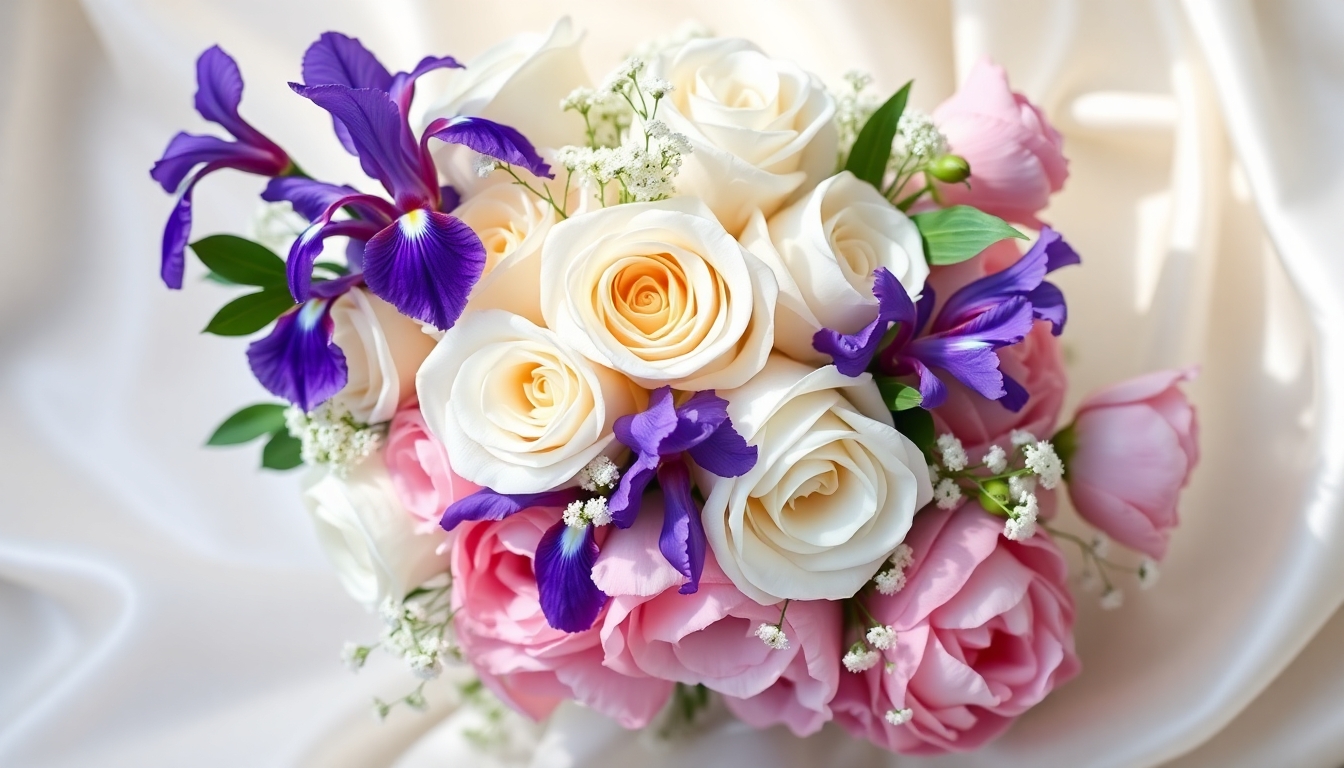
Design your bridal bouquet with intention by combining blooms that map to your relationship:
- Include your partner's favorite flower as a small, personal nod
- Add blooms that mark shared values or a meaningful moment
- Choose flowers tied to your cultural heritage or family
- Echo a flower from where you got engaged, or from a grandparent's garden
Share the meanings with your photographer so they grab the close-ups that capture these details — the bouquet is one of the day's most-photographed objects.
Symbolic centerpieces and ceremony flowers
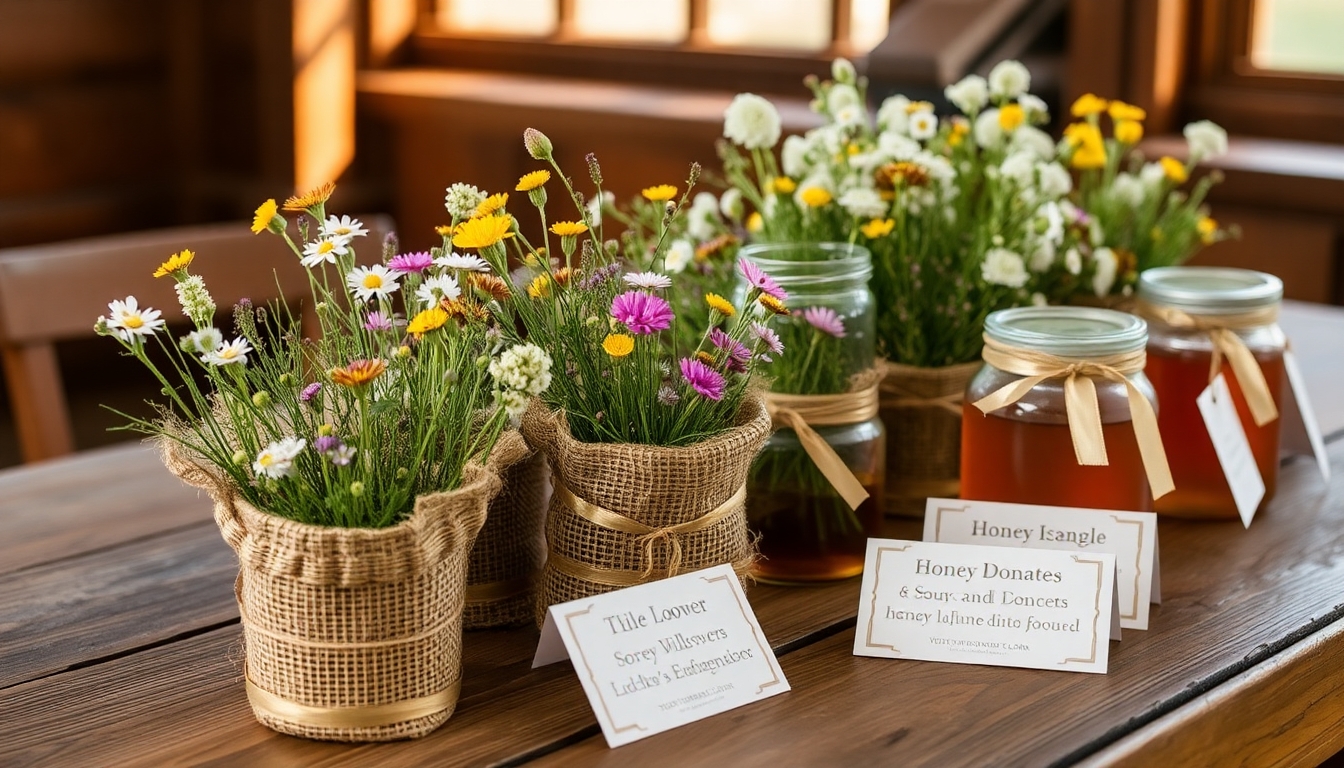
Carry the language through the rest of the day. On reception tables, themed arrangements can mark relationship milestones, or each table can lean on a different shade of meaning. Small cards explaining the symbolism invite guests into the story. At the ceremony, choose deliberately:
- Arch or chuppah: blooms symbolizing unity and growth
- Aisle: flowers representing the journey of love
- Altar: arrangements signifying commitment and devotion
Seasonal symbolism (and why it saves money)
Choosing in-season flowers does double duty: it deepens the seasonal meaning and cuts cost, because in-season, locally grown blooms are cheaper and fresher than imported ones. A rough seasonal guide:
| Season | Symbolic theme | In-season blooms |
|---|---|---|
| Spring | New beginnings, growth | Tulips, daffodils, peonies, ranunculus, lily of the valley |
| Summer | Passion, joy, abundance | Sunflowers, dahlias, hydrangeas, garden roses, lilies |
| Fall | Harvest, gratitude, endurance | Dahlias, chrysanthemums, marigolds, late roses |
| Winter | Endurance, eternal love | Amaryllis, anemones, evergreens, holly, ranunculus |
If you fall for an out-of-season flower, your florist can often suggest a similar-looking, in-season stand-in — a frequent line item in trimming your budget without sacrificing style.
Make your own symbolism
Traditional meanings are a starting point, not a cage. The most personal symbolism is the kind you invent: a flower from a childhood garden, the bloom in your favorite film, a species that grows where you first met. Personal meaning always outranks the dictionary — it's your wedding, and the only people who need to read the message are the two of you.
Briefing your florist
For the symbolism to survive contact with reality, your florist needs to know about it early:
- Share your desired meanings and any must-have blooms at your first meeting
- Bring images of arrangements you love so style and symbolism align
- Ask for in-season alternatives if a flower is unavailable or pricey
- Confirm which symbolic blooms hold up to your weather — heat, cold, or an outdoor setting all matter
Preserving the symbolism after the day
Extend the meaning past the wedding: press or dry stems from your bouquet, frame them, plant bulbs of your wedding flowers in a first garden, or fold pressed blooms into thank-you cards and your album. It's a small ritual that keeps the day's symbolism alive into married life.
Frequently asked questions
What is the language of flowers?
The language of flowers, or floriography, is the tradition of assigning symbolic meanings to specific blooms — roses for love, peonies for a happy marriage, tulips for new beginnings. It peaked in Victorian England as a discreet way to send messages, and couples still use it today to add personal meaning to wedding flowers.
Which flowers symbolize love and marriage?
Red roses symbolize love and passion, peonies a happy marriage and prosperity, white lilies devotion, and orchids love and refined beauty. Tulips mean perfect love and dahlias a lasting bond. Many couples combine a few so the bouquet carries several layers of meaning at once.
How much do wedding flowers cost?
Flowers are about 9 percent of an average wedding budget, roughly $3,080 of a $34,200 wedding, though it ranges widely with the size and style of your arrangements. Choosing in-season, locally grown blooms is the easiest way to lower the cost while keeping them fresh.
Are there flowers I should avoid at a wedding?
No flower is off-limits, but a few carry meanings worth knowing: yellow roses once signaled jealousy or fading love, striped carnations meant refusal, and marigolds carry grief associations in some cultures while symbolizing celebration in others. Use any flower you love — just make the symbolism a deliberate choice.
How do I tell my florist what flowers mean to me?
Share your desired meanings and any must-have blooms at your first meeting, bring inspiration images, and ask for in-season alternatives where a flower is costly or unavailable. A good florist will balance your symbolism with what looks beautiful and holds up on the day.
Let your flowers say something. Price your floral budget in the wedding budget calculator, get grounded numbers in our wedding florist cost guide, coordinate blooms with your palette using choosing your wedding colors, or browse the full style & inspiration guide.